Sample PolicySample costs shipping and taxes has to be paid by the buyer
Payment TermsCash Advance (CA), Cash in Advance (CID)
Packaging Detailsas per customer requirement
Main Export Market(s)Asia
Main Domestic MarketUttar Pradesh, Delhi, Uttarakhand, Gujarat, Chandigarh, Punjab, Jammu and Kashmir, Haryana, Rajasthan
Delivery Time1 Days
About Cold Room Services Detail
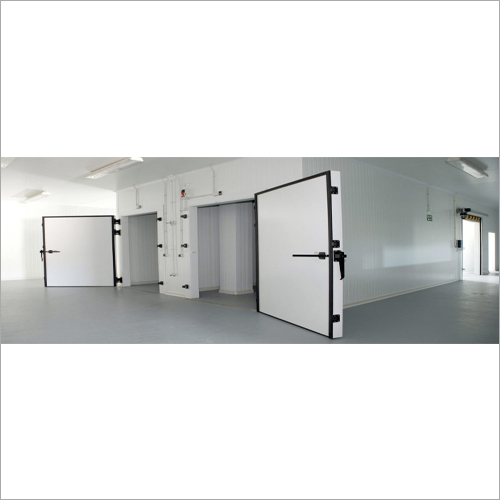
Cold room services encompass a range of offerings related to the design, installation, maintenance, and operation of temperature-controlled environments. These environments, known as cold rooms or cold storage facilities, are essentially large, insulated spaces equipped with refrigeration systems to maintain specific temperatures for the preservation of various products.
Here's a detailed description of cold room services:
I. What is a Cold Room?
A cold room is a specialized refrigerating chamber where a stable and preset temperature is artificially generated and controlled.It's designed to store products in a cold environment below the outside ambient temperature, often for commercial purposes.They function similarly to a giant refrigerator, utilizing a compressor, condenser, fans, and an evaporator to maintain the desired temperature.Proper insulation is crucial for energy efficiency and temperature consistency.
II. Key Applications and Industries Served:
Cold rooms are indispensable across a wide range of industries due to their ability to prevent spoilage, extend shelf life, and maintain product quality. Common applications include:
Food Processing: Rapid chilling (blast chilling) and freezing (blast freezing) of freshly prepared foods.
Restaurants, Hotels, Supermarkets: Large-scale storage of ingredients and prepared foods.
Catering Businesses: On-site storage for events to ensure food safety.
Pharmaceutical Industry:
Medications and Vaccines:Storing temperature-sensitive drugs, vaccines, and blood products to maintain efficacy and stability.
Laboratories: Preserving samples, chemicals, and other materials requiring precise temperature and humidity conditions.
Horticulture and Floriculture:
Flowers and Plants: Extending the freshness and delaying the aging process of cut flowers and plants.
Chemical Industry:
Storing specific chemicals and biological products that require lower temperatures for stability or to slow down reactions.
Other:
Certain tech components.
Mortuary refrigeration units.
III. Types of Cold Rooms:
Cold rooms come in various types, categorized by temperature range, size, purpose, and structure:
Based on Temperature:
Chilled Storage Rooms (Positive Temperature): Typically maintain temperatures between 2C and 8C (e.g., for fresh produce, dairy).
Freezer Rooms (Negative Temperature): Maintain temperatures below freezing, often down to 18C or lower (e.g., for frozen foods).
Ultra-Low Temperature Cold Storage: Can go as low as 80C for specialized items like certain pharmaceuticals and biological materials.
Based on Size/Structure:
Walk-in Cold Rooms: Large, walk-in refrigerated spaces for various commercial uses.
Modular Cold Rooms: Built with insulated panels that can be easily assembled, disassembled, and reconfigured, offering versatility.
Industrial Cold Rooms/Warehouses: Large-scale facilities for bulk storage and heavy-duty applications, often with extensive racking systems.
Mini Units/Portable Cold Rooms/Refrigerated Containers:Smaller, mobile solutions for flexible storage or transport.
Combi Cold Rooms: Offer different temperature zones within a single unit.
Based on Function/Purpose:
Blast Chillers/Freezers: Designed for rapid cooling or freezing of products to preserve quality and prevent ice crystal formation.
Controlled Atmosphere (CA) Rooms: Allow precise control over temperature, humidity, and gas composition (oxygen, carbon dioxide, ethylene) to significantly extend shelf life, particularly for fruits and vegetables.
IV. Cold Room Services Offered:
Providers of cold room services typically offer a comprehensive suite of solutions:
Design and Consultation:
Assessing client needs and recommending the most suitable cold room type and specifications.
Layout planning, space optimization, and energy efficiency considerations.
Compliance with industry regulations and standards (e.g., food safety, pharmaceutical storage).
Installation and Construction:
Assembling insulated panels to create the cold room structure.
Installing refrigeration units (compressors, condensers, evaporators, fans).
Piping installation for refrigerants.
Electrical and temperature control system installation.
Integration of features like shelving/racking, LED lighting, security systems, and emergency exits.
Maintenance and Servicing:
Regular Inspections: Checking all components for optimal functioning.
Preventive Maintenance: Routine checks, cleaning (condenser, evaporator, walls, floors), and de-icing to ensure correct temperature and hygiene.
Refrigerant Level Checks: Ensuring proper refrigerant levels for efficient cooling.
Calibration of Controls: Verifying the accuracy of temperature and humidity monitoring systems.
Repair and Troubleshooting:
Diagnosing and fixing issues with refrigeration systems, insulation, doors, or control panels.
Emergency repair services to minimize downtime and prevent product loss.
Upgrades and Modernization:
Improving existing cold rooms for better energy efficiency (e.g., LED lighting, optimized refrigeration systems).
Adding advanced monitoring and control systems.
Logistics and Management (for larger facilities):
Inventory management systems within cold storage warehouses.
Cold chain management solutions from source to consumption.
Third-party cold storage services for businesses that don't own their facilities.
V. Benefits of Utilizing Cold Room Services:
Extended Product Preservation: Significantly prolongs the shelf life of perishable goods.
Enhanced Quality: Maintains the freshness, taste, nutritional value, and efficacy of stored products.
Reduced Waste and Losses: Minimizes spoilage and deterioration, leading to cost savings.
Regulatory Compliance:Helps businesses adhere to strict storage regulations in industries like food and pharmaceuticals.
Efficient Space Utilization: Customizable designs maximize storage capacity.
Cost-Effectiveness: Reduces the need for frequent restocking and allows for bulk purchasing.
Improved Inventory Management: Organized storage and easy access to products.
Flexibility:Solutions ranging from small walk-ins to large-scale warehouses and portable units.
In essence, cold room services are vital for any business dealing with temperature-sensitive goods, ensuring product integrity, operational efficiency, and adherence to quality and safety standards.
Superior Insulation for Energy Efficiency
Our cold rooms employ high-quality Polyurethane Foam (PUF) insulation with various panel thicknesses (60mm, 80mm, 100mm, 120mm, 150mm) to minimize temperature fluctuations, enhance energy savings, and deliver long-lasting performance. This ensures your goods remain at optimal temperatures with reduced energy costs.
Customizable Solutions for Diverse Needs
We design and install cold rooms tailored to your specific capacity, temperature, and usage requirements. From food storage to pharmaceuticals, our flexible turnkey projects cater to businesses of all sizes, offering advanced humidity and temperature control across all service locations in India.
Expert Installation and National Service Network
Our skilled team handles end-to-end installation and provides extensive after-sales support, ensuring minimal downtime and reliable operation. With service availability PAN India, clients can expect prompt response and maintenance, leading to smooth, uninterrupted cold storage operations throughout the country.
FAQ's of Cold Room Services:
Q: How is insulation handled in your cold room services?
A: Our cold rooms use Polyurethane Foam (PUF) insulation with panel thicknesses ranging from 60mm to 150mm, chosen based on your thermal requirements. This high-quality insulation ensures efficient temperature retention, reducing energy consumption and enhancing storage reliability.
Q: What is the installation process for cold rooms offered by your company?
A: We provide turnkey installation, handling every stage from design and fabrication to on-site assembly and commissioning. Our experts ensure precise fitting of insulated panels, choice of compressor type (hermetic, scroll, screw), and integration of desired features like humidity control-delivering a hassle-free, ready-to-use cold storage solution.
Q: When should I choose a sliding door over a hinged door for my cold room?
A: Sliding doors are recommended for larger cold rooms or where space efficiency is needed, as they do not require swing space. Hinged doors are suitable for smaller installations or frequent access points. Both types provide excellent sealing to maintain thermal integrity.
Q: Where are your cold room services available in India?
A: Our services are available PAN India, covering all regions. No matter your location, our team manages delivery, installation, and after-sales support, ensuring consistent service quality from metropolitan areas to remote sites.
Q: What refrigerants and voltage options do you offer for cold rooms?
A: We offer cold rooms with R404A, R134a, and R22 refrigerants, catering to different cooling needs and regulatory preferences. Voltage options include 220V and 380V to ensure compatibility with various electrical infrastructures across India.
Q: How does your after-sales service benefit clients?
A: We provide comprehensive after-sales service and maintenance PAN India, ensuring regular inspections, swift repairs, and technical support. This proactive approach reduces downtime and prolongs the life of your cold room investment.

 GST No.07BBDPS3522E1ZW


 Our Products